

It Wasn't the Camera
The most beautiful ad I saw this year — I can't remember what it sold. Beauty can be bought; an idea that stays cannot. On budgets that multiply an idea and never create one, money that makes bad ideas fail louder, and a single question: three seconds after it ends, what remains?

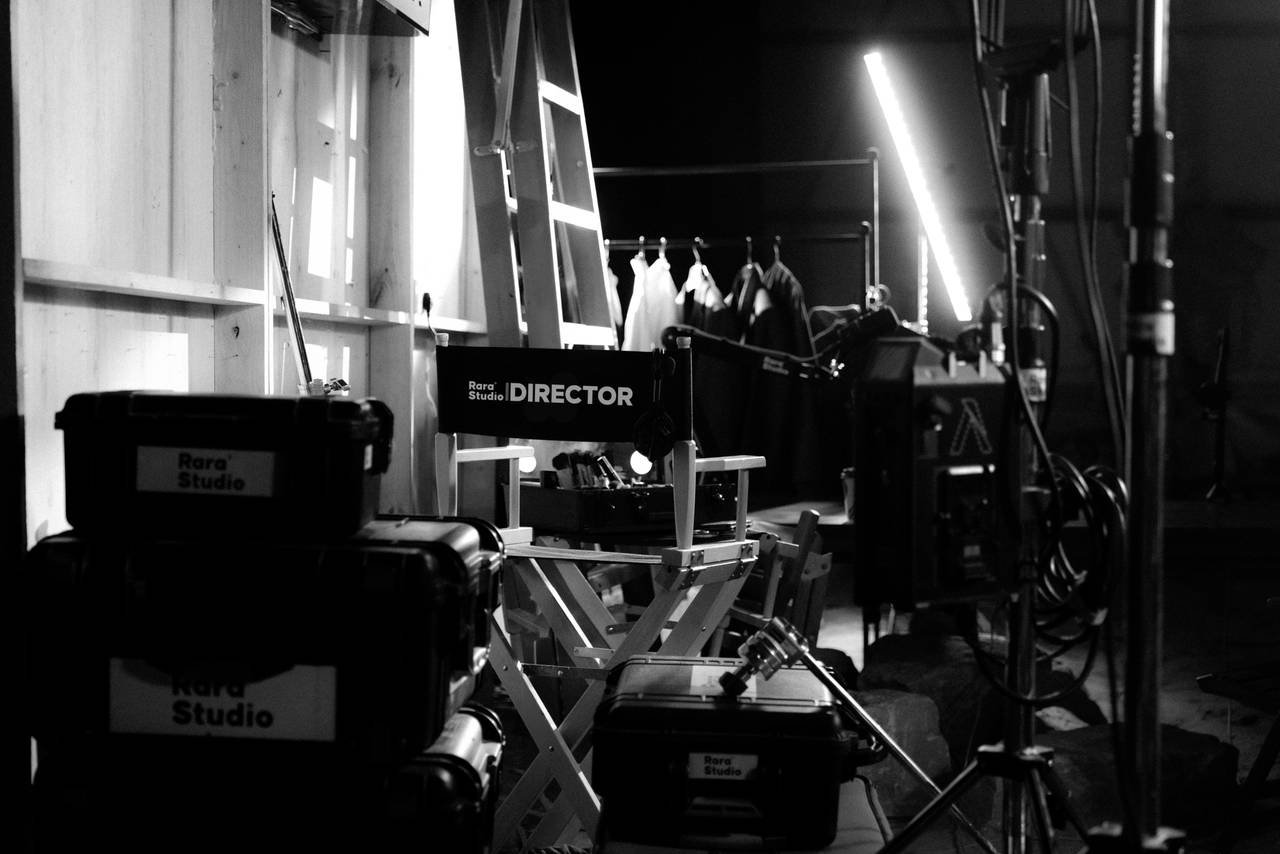
The most beautiful ad I saw this year, I can’t remember what it was selling. A polished image, cinematic lighting, music rising at exactly the right moment. And yet I forgot it almost immediately. Ask me the brand name, and I would hesitate. But another ad, shot for $4,500 in one day, I still talk about now. Inside this small contradiction sits a larger problem: we have learned to confuse two things that do not necessarily belong together: that an ad is beautiful, and that an ad is successful.
Let’s agree on something first: visual beauty can be bought. A more expensive camera, sharper color, a more beautiful face, a more impressive location. Pay more, and you get a smoother image. But one thing no invoice can sell you is an idea worth telling, or a sentence that stays in memory after the screen goes dark. Because images can be bought and ideas cannot, many people run toward the image. So our screens fill with what I would call expensive wallpaper: work polished to perfection, empty to the point of echo. Pleasing to the eye, forgotten within seconds.
This is not just a personal impression. The numbers point in the same direction. When System1, a company that measures emotional response, tested a sample of Cannes Lions film winners, the average effect was around two stars out of five, roughly the level of an ordinary ad, or even below it. One test does not settle the matter, but it does raise a serious question: work celebrated by juries does not always leave the same mark on a person sitting at home.
And this is not an accident. It is a pattern. In Lemon, Orlando Wood studied thirty years of advertising and found that ads have become glossier, colder, and more abstract. Then he measured the effect. What we lost along the way story, character, humor was exactly what used to sell.
So what does sell? In one of the broadest studies of advertising effectiveness, Les Binet and Peter Field analyzed 996 campaigns from the IPA database over thirty years. The conclusion was clear: ads that make people feel outperform ads that merely list benefits, especially over the long term. Byron Sharp adds the final layer in How Brands Grow: what sells is not polished persuasion. It is being remembered, and being recognized as yourself, at the moment the buyer reaches for the shelf. Beauty that does not enter memory is wasted beauty. In short: the eye may admire, but memory is what buys.
And this is the idea I want you to leave with: budget is a tool, not a generator. It amplifies what you already have. It does not create what is missing. If your idea is worth one, a large budget can multiply it into a thousand. But if your idea is worth zero, the result remains zero no matter how much you spend. A shiny zero. Well lit. Shot on four cameras. But still zero.
Look at how the rule works when the idea is strong and the money is limited. Dollar Shave Club made a video for $4,500, shot in one day, with no celebrities and no special effects. Just a founder walking through a warehouse, delivering one sharp, funny line about the quality of his razors. The result: 12,000 orders in 48 hours, and the website crashed. Four years later, Unilever bought the company for $1 billion. The camera did not sell it. The writing did.
Blendtec, a relatively unknown blender company, spent around $50 and put a chicken and golf balls into a blender, asking one simple question: will it blend? Sales rose 700% over two years. The whole idea was a question.
KFC, when it ran out of chicken across 600–700 branches in the UK, responded with one newspaper page, rearranging its own letters into “FCK” — an apology that mocked itself. It won both a Cannes Lions Grand Prix and an effectiveness award, and people’s affection for the brand returned within weeks. Ink on paper. An idea beyond price.
But be careful here. It is easy to read these examples and conclude that cheap beats expensive. That is wrong. Thousands of cheap ads have failed in silence. We never heard about them. No one wrote a case study about them. These three did not succeed because they were cheap. They succeeded because they had an idea. Cheapness was not the hero. The idea was. A cheap ad with no idea is only a cheap zero. The lesson is not: spend less. The lesson is: have something to say.
And because a rule is a rule, it also works in the opposite direction. Take Pepsi’s ad with Kendall Jenner: millions of dollars in production, with all the polish those millions can buy. But the idea was hollow, even insulting: a can of soda ending a protest and reconciling a police officer with demonstrators. The money amplified the emptiness until it became visible to the whole world. The ad was pulled within a day. That is what money does to a bad idea: it makes it fail louder.
Even marketing science says the same. Binet and Field’s research shows that brands that spend above their share of market tend to grow, while those that spend below it tend to shrink. But the same research adds a crucial condition: that spending works far harder when it carries a strong idea, and is largely wasted when attached to weak work. In other words: money multiplies the idea. It does not replace it.
To be fair, beauty is not the enemy. There is a field where beauty itself becomes the message: luxury. When you watch an ad for a high-end watch, the polish, lighting, and slowness are not decoration. They are the message: this was made with a level of care worthy of its price. Here, production value becomes an argument in itself.
But even here, it is not enough to be beautiful. You have to be beautiful in a way that belongs to you and carries your name. Beauty that could belong to any other brand is not luxury. It is an expensive copy. So the real question is not beauty versus idea. It is beauty serving an idea, versus beauty hiding an absence.
And I think I know why we, as makers, run toward the image. Because the image can be bought. The idea has to be extracted. The better camera is a decision made in a meeting. The unforgettable line is the result of a long night, rewriting the same sentence again and again. Polish is a comfortable place to hide, just like ornament. And under too much shine, just like under too much decoration, there is often nothing left. The viewer does not buy the frame, no matter how bright it is. They buy the picture inside it.
So ask yourself one question in front of every polished ad, whether it cost a million dollars or fifty: three seconds after it ends, what remains? If nothing remains, then you bought an expensive frame and forgot to put a picture inside it.